


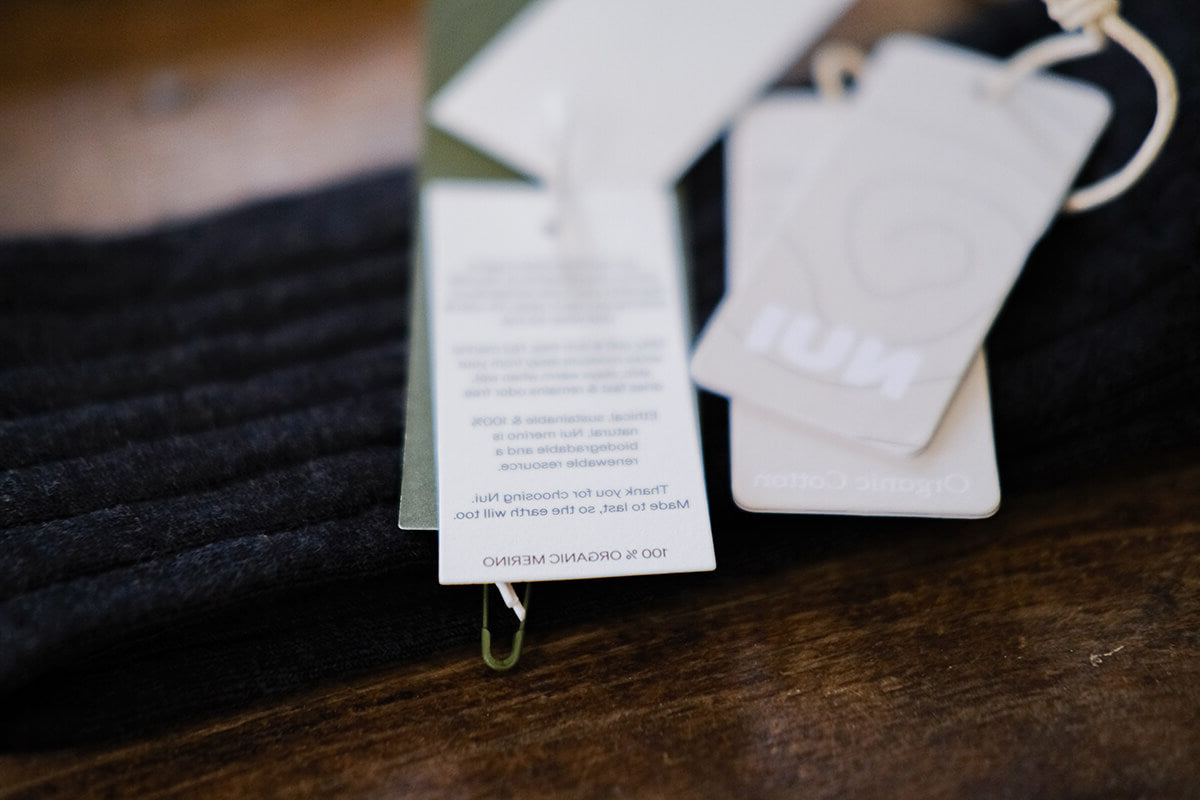
What happens to your clothes when they die? Whether you buy from name brands, secondhand, or the most sustainable clothing companies out there, there’s a hard truth every naked-averse human needs to reckon with: Almost everything we wear will be thrown into a landfill and buried for millenia.
As of now, most garments can’t be recycled, and even fewer are biodegradable. It’s incumbent on garment wearers (aka all humans) to recognize that almost everything we wear will one day be buried, so biodegradability must be incorporated into product design.
Fast-Fashion: Brought to you by Synthetics
Fashion has a dirty little secret. The fashion industry produces ten percent of annual carbon emissions, more than all yearly international flights and maritime shipping combined. Petroleum-derived polyester is the most widely-used clothing fiber in the world, and in the US, 85 percent of all clothes are landfilled or burned, locking in hundreds of years of plastic pollution.
Globally, a dump truck full of clothes enters a landfill every second. Using all-natural, biodegradable textiles like cotton or wool can help make the difference between a garbage truck full of plastic or one full of organics that help build soil.
Synthetic petroleum-based fibers like polyester, spandex, and nylon don't biodegrade as much as break down into smaller problematic compounds over the course of 20-200 years or more, releasing microplastics every step of the way. Natural fabrics, on the other hand, completely biodegrade into natural substances that help build soil or at least cause no net harm. Natural fabrics include:
- Cotton
- Linen
- Bamboo
- Hemp
- Silk
- Wool
Natural fabrics break down in as little as two weeks in the right conditions, but most biodegrade within a year or so in a well-managed home compost bin. Synthetic fibers—whether in a compost bin, the side of the road, a dump, or the ocean—never really go away. We’d be remiss to leave out an insidious, unsung villain of the plastics pollution crisis, a villain that makes its secret lair in your laundry room.

Doing Laundry Puts Plastic in the Ocean
Okay, so plastic clothing slowly rotting in a landfill for centuries isn’t the greatest thing. But if that’s the worst they can do, hey, at least they’re buried underground, where they aren’t causing more harm, right?
If only it were that simple. The truth is, one of the most daunting impacts of synthetic fibers like polyester manifests in the laundry machine.
Each wash cycle could release over 700,000 microplastic fibers into the environment. These particles enter the ecosystem through your wastewater, where they make their way into waterways, the ocean, the soil, and even precipitation. In fact, laundering synthetic clothes is the largest source of microplastic pollution, putting about 2.2 million tons of microfibers into the ocean each year.
Like synthetic textiles, natural fibers like wool and cotton also shed fiber during use and washing. But there’s a fundamental catch: Wool and cotton biodegrade. They don’t stay in the environment for hundreds of years, but break down quickly and safely in aquatic and terrestrial environments.

Why Wool Wins: Durable, Versatile, Biodegradable
Wool is a protein-based fiber composed of 50 percent carbon. It’s made of keratin, the same protein as human hair. It readily biodegrades in the ground or water, turning back into beneficial elements like sulfur, nitrogen, phosphorus, and potassium.
And here’s another one of wool’s awesome benefits: When the garment is no longer useful, it can be readily recycled, and even if it does end up in the landfill, it will completely biodegrade into harmless elements within five years.
Of all the natural fibers, wool takes the longest to biodegrade. Its lengthy decomposition is also the secret to wool’s incredible versatility (and why it happens to be our favorite fiber out there).
From sweltering summer heat to briars and brambles to driving rain, sleet, and cold winter gales, a sheep’s fleece must remain dry, warm, and breathable all year round. That’s what makes it such a perfect fiber for garments. It’s also what makes it take a bit longer to break down into usable compost. However, when compared to the hundreds of years required for polyester to break down, wool is a veritable decomposition-sprinter, hitting the humus finish line before polyester even has a chance to take its mark. And like other natural fibers, wool breaks down into non-harmful and beneficial elements.
So when it’s time to finally retire a decades-old wool garment, the one to five years it’ll take to break down into natural elements is nothing compared to the decades of enjoyment it provided, and the countless pounds of waste saved from choosing wool over inferior synthetic materials.
Cotton is also pretty cool
Cotton will forever hold a special place in our hearts. As a carbon-sucking plant, cotton—when farmed right—sequesters carbon, builds soil health, and provides a net-positive benefit to people and the planet. We appreciate cotton’s incredible versatility, from casual wear to business attire to active wear and light outdoor duty. Plus, cotton biodegrades very quickly, even compared to wool, so it doesn’t contribute proportionally to the garment pollution scourge led by synthetic garments.
Just be sure to buy organic 100 percent cotton clothing to ensure that your garment does right by the people and planet you love.

Conclusion
When the time comes to retire your used garments, keep in mind there’s a well-established demand for quality used clothing, especially natural fibers like wool and cotton. If your garment is no longer needed, the best thing you can do is to pass it onto someone else, donate it, or sell it. Repurposing your old garments into craft projects, blankets, or cleaning rags is also a great way to keep fibers out of landfills. But if you absolutely have to toss a garment, the best thing you can do is compost it if it’s made from 100 percent natural fibers.
We dream of the day when composting garments is as common as tossing them is now. All-natural fibers are produced on farms just like food, so there’s no reason why they shouldn’t return to the soil at end-of-life. Though composting clothes isn’t yet commonplace, anyone can do it with a little bit effort. But before you go tossing your used natural textiles into the compost, keep a few things in mind. Predominantly natural textiles often contain blends of wool, cotton, and synthetic fibers. The garment’s natural fibers will biodegrade, but the synthetic ones will not, leaving you with plastic fibers in your garden for hundreds of years. Also consider that machine washable wool contains polyamide resin, which may release microplastics, and many brands treat their clothes with toxic “forever chemicals.”
The only way to truly know whether or not a garment is made of pure, untreated natural fibers is to purchase them from a reputable and verified source. When you swap out synthetic clothes for pure natural fibers like organic Merino wool, cotton, and silk, you’re eliminating microplastics from your wardrobe and ensuring your garments are just as ready for the soil as they are for your next adventure.


